
Exhaust Testing in
Warner Robins, GA

Not every exhaust problem starts with a noise. Some start with a code you didn’t expect at an emissions inspection. Some start with a check engine light tied to an oxygen sensor you’ve replaced twice. Some are happening right now without any symptom you would notice from inside the vehicle.

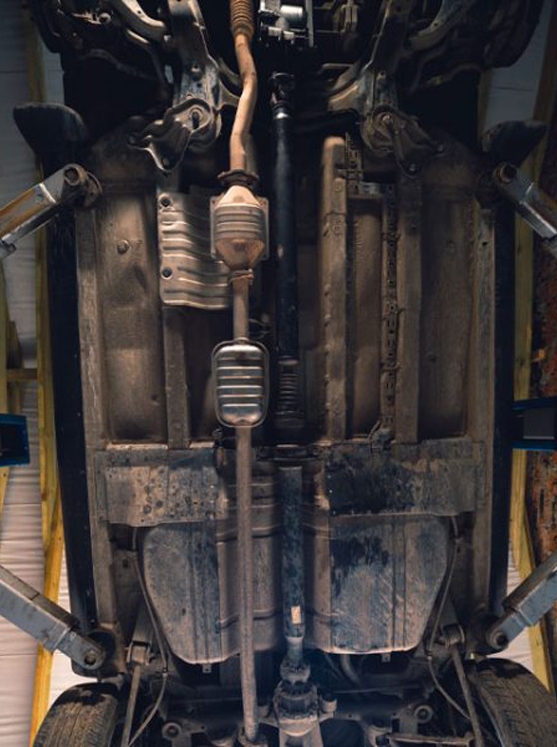
Exhaust testing in Warner Robins, GA, is about finding those problems before they develop into something worse. Kersey Transmission and Exhaust evaluates the full system: not just the part that’s visible from underneath but the full path from manifold to tailpipe and every component in between.

When Exhaust Testing in Warner Robins Makes Sense

You don’t need a loud exhaust to have an exhaust problem worth finding. Some of the most common reasons drivers schedule an exhaust inspection in Warner Robins, GA, include:

  • Preparing for a state emissions or safety inspection
  • A check engine light with catalyst or O2 sensor codes
  • Unexplained fuel economy changes over several months
  • Confirming exhaust work performed elsewhere was done correctly
  • A faint exhaust smell that comes and goes, especially with windows down
  • Buying a used vehicle and wanting a full systems check before committing to it

In each of these situations, a little information now saves time and money later.

Why Kersey Transmission and Exhaust

Exhaust is a core specialization at this shop. Our team in Warner Robins, GA, works on exhaust systems constantly, which means we recognize problems that a less experienced eye might miss and understand the full context of what an inspection finding actually means for the vehicle's performance and safety.
Locally owned and veteran-operated, we treat every vehicle with the same care and honesty we would want extended to our own.

What Happens After the Inspection

If the system is in good shape, you leave knowing that — and knowing what to watch for as the vehicle ages. If we find something, we explain what it is, where it is, what is causing it, and what your options are for addressing it. We give you the information to make the right decision, not a push toward the most expensive one.
No work is done without your understanding and approval. That is standard for everything we do at Kersey Transmission and Exhaust in Warner Robins.

What We Check During an Exhaust Inspection

A thorough exhaust test covers the entire system:

Flex pipes and downpipes:

High-heat sections prone to cracking over time

Catalytic converter:

Checked for efficiency, physical damage, and contamination

Oxygen sensors:

Evaluated in context of the system rather than in isolation

Resonator and muffler:

Inspected for rust, holes, and secure mounting

Tailpipe and hangers:

Condition, routing, and any signs of physical damage

Seams, joints, and clamps:

Common failure points across the full exhaust run

Exhaust manifold and gaskets:

Common leak point, often produces a ticking sound that gets worse when cold

What We Check During an Exhaust Inspection

A thorough exhaust test covers the entire system:

Small Kersey logo in gray, white, and yellow
Flex pipes and downpipes:

High-heat sections prone to cracking over time

Small Kersey logo in gray, white, and yellow
Catalytic converter:

Checked for efficiency, physical damage, and contamination

Small Kersey logo in gray, white, and yellow
Oxygen sensors:

Evaluated in context of the system rather than in isolation

Small Kersey logo in gray, white, and yellow
Resonator and muffler:

Inspected for rust, holes, and secure mounting

Small Kersey logo in gray, white, and yellow
Tailpipe and hangers:

Condition, routing, and any signs of physical damage

Small Kersey logo in gray, white, and yellow
Seams, joints, and clamps:

Common failure points across the full exhaust run

Small Kersey logo in gray, white, and yellow
Exhaust manifold and gaskets:

Common leak point, often produces a ticking sound that gets worse when cold

What We Check During an Exhaust Inspection

A thorough exhaust test covers the entire system:

Flex pipes and downpipes:

High-heat sections prone to cracking over time

Catalytic converter:

Checked for efficiency, physical damage, and contamination

Oxygen sensors:

Evaluated in context of the system rather than in isolation

Resonator and muffler:

Inspected for rust, holes, and secure mounting

Tailpipe and hangers:

Condition, routing, and any signs of physical damage

Seams, joints, and clamps:

Common failure points across the full exhaust run

Exhaust manifold and gaskets:

Common leak point, often produces a ticking sound that gets worse when cold

Frequently Asked Questions

Most standard exhaust inspections take under an hour. If we find something that warrants deeper investigation, we will let you know and get your approval before going further.

It gives you a strong picture of the system’s condition and flags issues likely to affect emissions compliance. Official testing uses specific equipment and protocols, but an inspection beforehand often prevents surprises.

Recurring O2 sensor codes are often caused by an exhaust leak near the sensor affecting its readings. We evaluate the system as a whole rather than treating the sensor in isolation.

It’s a smart precaution. Exhaust issues — especially catalytic converter damage or hidden leaks — can be expensive to fix and are easy to miss in a standard used vehicle walkthrough.

We explain what we found, what it means, and what the repair options are. You decide whether and when to proceed. We do not start any work without your approval.

We work across a wide range of vehicle types and exhaust configurations. Contact us to confirm if you have a specific question about your vehicle.

Turn Exhaust Questions into Clear, Actionable Answers

Exhaust testing is a straightforward way to get a clear picture of where your system stands. Whether you are heading into an inspection, chasing a code, or just want peace of mind, Kersey Transmission and Exhaust will give you an honest evaluation and a clear path forward.

Request an Appointment